The most noticeable sign is your vehicle pulling to the left or right when you are driving straight on a flat road with no crosswind. Uneven or accelerated tire wear is another strong indicator, particularly wear concentrated on one edge of the tire. You may also notice the steering wheel is off-center even when driving straight, or feel a slight vibration or instability at highway speeds. Alignment problems are not always obvious by feel alone, which is why we recommend an alignment check annually and after any significant road impact.
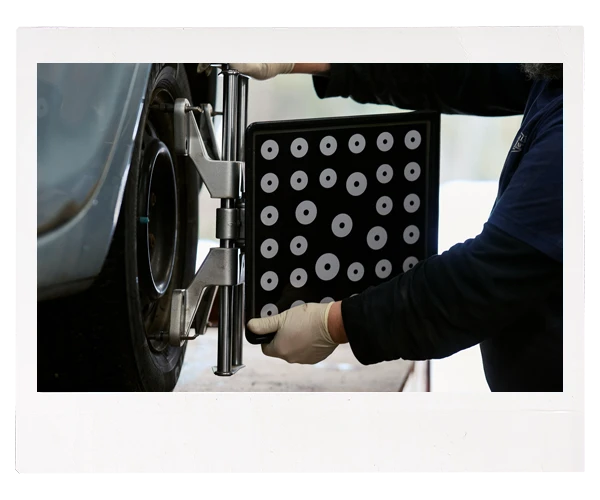
A standard four-wheel alignment typically takes 45 minutes to an hour on most passenger vehicles. If worn suspension or steering components are found during the alignment process, those need to be replaced before the alignment can be set correctly, which adds time. Vehicles with complex multi-link rear suspensions or adjustable suspension setups may also take longer. We use computerized alignment equipment to measure all angles precisely and ensure your vehicle leaves within the manufacturer's specified tolerances.
Whether your vehicle needs a two-wheel or four-wheel alignment depends on its suspension design. Vehicles with a solid rear axle typically only allow adjustment at the front wheels. Vehicles with independent rear suspension have adjustable rear angles and require a four-wheel alignment to be set correctly. A four-wheel alignment ensures the rear wheels are properly positioned as a reference before setting the front, which produces more accurate results and better overall handling. We assess your vehicle's suspension configuration before beginning.
If your vehicle frequently goes out of alignment, it usually means a worn or damaged component is allowing the wheel angles to shift. Common culprits include worn tie rod ends, loose ball joints, a deteriorated control arm bushing, or a bent steering component from a previous impact. Simply realigning the wheels without addressing the worn parts means the alignment will drift again quickly. Our alignment inspection includes a check of all related steering and suspension components to identify any parts that need attention before the alignment is performed.