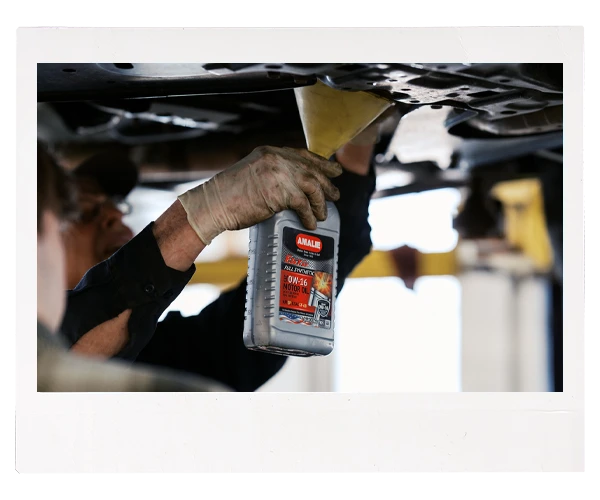
The old standard of every 3,000 miles no longer applies to most modern vehicles. Today's engines and synthetic oils typically allow for oil change intervals of 5,000 to 10,000 miles, with some manufacturers recommending up to 15,000 miles under normal driving conditions. Your owner's manual and your vehicle's oil life monitoring system are the most reliable guides. Vehicles used for towing, short trips, or in extreme temperatures may need more frequent changes regardless of mileage.
Conventional motor oil is refined from crude oil and works well for older engines and vehicles with lower performance demands. Synthetic oil is engineered in a lab to offer better performance at extreme temperatures, improved resistance to breakdown, and longer service intervals. Full synthetic oil is often recommended for newer vehicles, turbocharged engines, and high-performance cars. A synthetic blend offers a middle ground in both performance and cost. Our technicians can recommend the right oil type for your specific vehicle and driving habits.
Dark motor oil is completely normal and does not automatically mean the oil needs changing. Oil darkens as it does its job of cleaning the engine and absorbing combustion byproducts. The color alone is not a reliable indicator of oil condition. The best indicators are mileage since your last change, time elapsed, and your vehicle's oil life monitor if it has one. If the oil looks gritty, has a milky appearance, or smells burnt, those are signs worth having inspected right away.
Yes, the oil filter should be replaced at every oil change. The filter traps contaminants from the oil, and once it reaches its capacity it can no longer clean effectively. Reusing a clogged filter with fresh oil defeats much of the benefit of the oil change. Some shops offer an extended-interval filter for vehicles on longer oil change schedules. Every oil change service we perform includes a new filter matched to your vehicle's specifications.