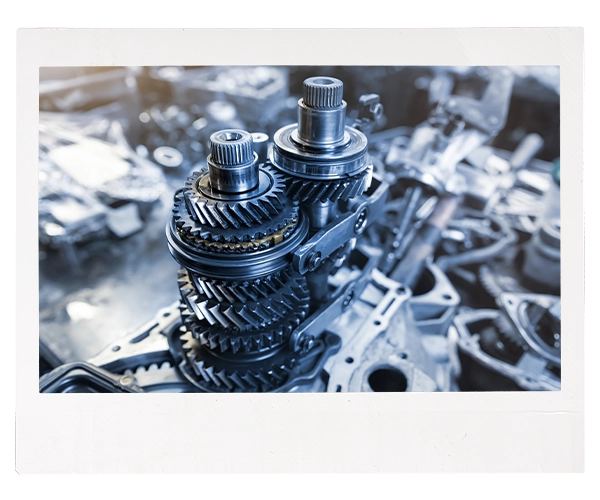
Common warning signs include delayed engagement when shifting from park to drive or reverse, slipping between gears where the engine revs but the vehicle does not accelerate proportionally, harsh or jerky gear changes, a burning smell, transmission fluid leaks leaving reddish spots under the vehicle, and a check engine or transmission warning light. Catching transmission problems early and addressing them with a fluid service or minor repair can prevent the kind of extensive internal damage that leads to a full rebuild or replacement.
Service intervals vary considerably depending on the vehicle and transmission type. Many manufacturers recommend changing automatic transmission fluid every 30,000 to 60,000 miles under normal driving conditions, while some newer vehicles claim sealed transmissions that never need service. However, real-world driving with stop-and-go traffic, towing, or hilly terrain stresses fluid more than standard test cycles assume. Having the fluid inspected at 30,000-mile intervals is a reasonable practice. Dirty, dark, or burnt-smelling fluid is a clear indicator that service is overdue regardless of mileage.
Shifting from reverse to drive or vice versa before the vehicle comes to a complete stop puts significant stress on the transmission. It forces the transmission to suddenly reverse the direction of drivetrain force rather than letting the brakes do that work. Over time, this habit accelerates wear on the transmission bands, clutch packs, and other internal components. Always come to a complete stop before changing direction. The difference in elapsed time is minimal but the reduction in wear over the life of the vehicle is meaningful.
Transmission repair costs vary widely depending on the nature of the problem, the make and model of the vehicle, and whether the transmission is repaired, rebuilt, or replaced. Minor repairs such as a solenoid replacement or a fluid service are typically a few hundred dollars. A full rebuild on a complex automatic transmission can range from $1,500 to $4,000 or more, while a factory replacement unit can cost considerably higher on premium vehicles. Getting an accurate diagnosis before authorizing any work is the best way to understand your options and make an informed decision.