

Signs of a Slipping Transmission
Unusual behavior from your vehicle’s transmission can be concerning, especially if it seems to be slipping as you drive. As such a crucial system in your vehicle, it’s important to know the issues that can occur in the gearbox and what steps you should take to keep your transmission operating as it should
Low Transmission Fluid
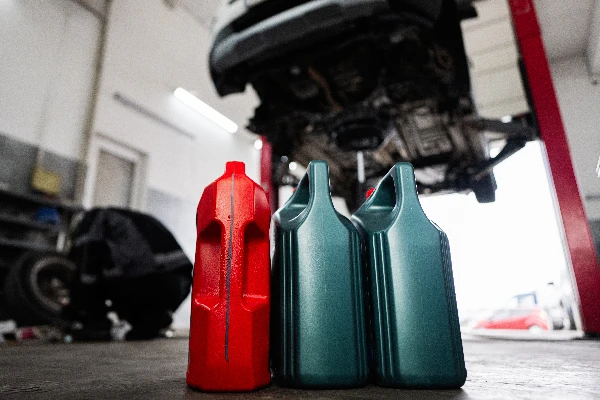
Possibly the most common reason for a slipping transmission is low transmission fluid. This fluid is responsible for providing both lubrication and hydraulic pressure within the gearbox. When the fluid is able to exit the system through a leak, or become s contaminated with debris and moisture, the gearbox will be unable to perform shifts properly.
A low amount of transmission fluid may result in overheating, as excess friction will cause heat to rapidly build up in the gearbox, potentially leading to internal components warping or cracking.
Worn Clutch Disk
In manual transmissions, the clutch disks are abrasive plates that control the transfer of power from the engine to the transmission. The clutch will disengage during shifting to interrupt the engine’s output and allow the gearbox to change gears. With gradual wear over time, the friction material on these plates will degrade and may get to the point where it can’t create a solid connection.
Worn or Damaged Transmission Bands
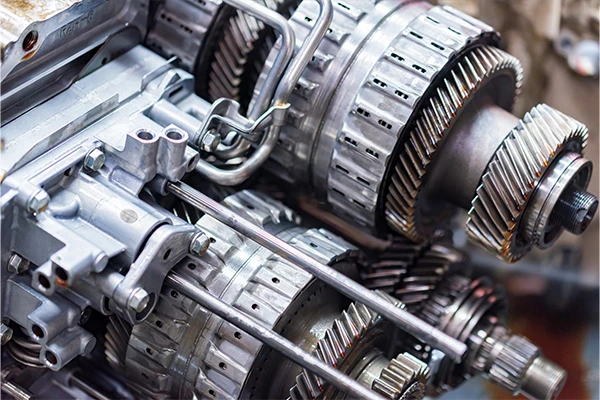
In automatic transmissions, metal bands link the gears together. These bands can become worn or broken over time, especially if the transmission hasn’t been serviced regularly. When bands lose tension or integrity, the transmission may fail to stay in the correct gear, causing noticeable slipping or hesitation.
Failing Torque Converter
The torque converter transfers power from the engine to the transmission fluid in automatic vehicles. If the torque converter is malfunctioning, commonly due to a worn needle bearing, damaged seals, or contaminated fluid can cause gear slippage, shuddering, or overheating. Diagnosing a torque converter issue typically needs a professional for the job.
Software or Sensor Issues
Modern transmissions rely heavily on electric controls and sensors. A faulty speed sensor or transmission control module can send incorrect signals, causing the gearbox to shift erratically or at the wrong time. This can mimic the symptoms of slipping and should be diagnosed with a proper scan tool.
What to Do If Your Transmission Is Slipping
If you suspect your transmission is slipping, here are the immediate steps you should take:
Step 1: Check the transmission level and condition. Look for low fluid level, a dark color, or a burnt smell.
Step 2: Avoid heavy driving or towing. Putting extra strain on a slipping transmission can worsen the damage.
Step 3: Schedule and inspect your transmission with a certified technician. A professional diagnostic service will identify the issue and recommend the best course of action.
Transmission Service & Repair in Elkins, NH
Problems with your transmission can show a clear sign of trouble or might go completely unnoticed. With any transmission-related problem, you should have your vehicle inspected and diagnosed immediately. Letting problems linger can lead to expensive or catastrophic failures down the line. Call or schedule online with the transmission experts at Marshalls Garage Inc. in Elkins, NH.